Building Bridges
Broad Participation in the International Encounter for Peace and Reconciliation at Loyola University Chicago
Students and specialists from across the Americas gathered to promote peace
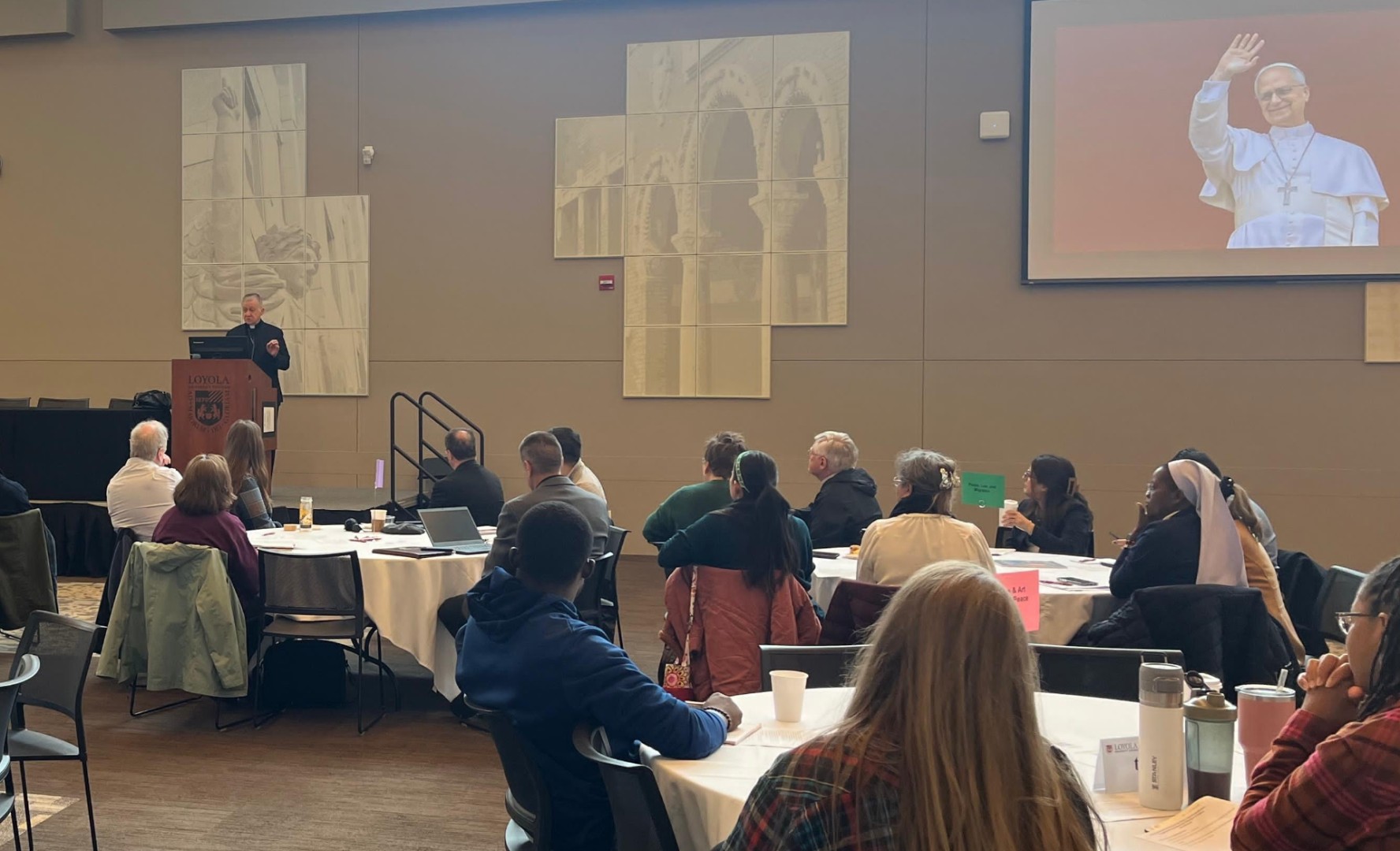
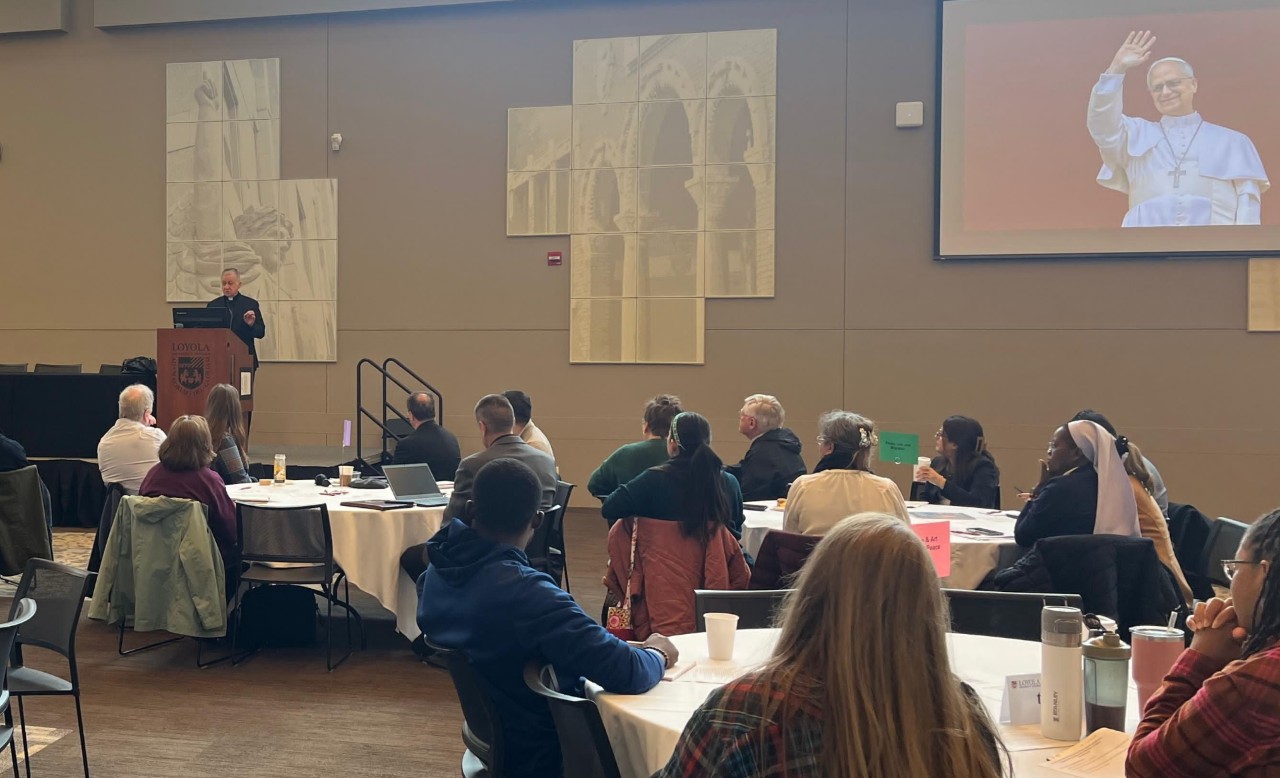
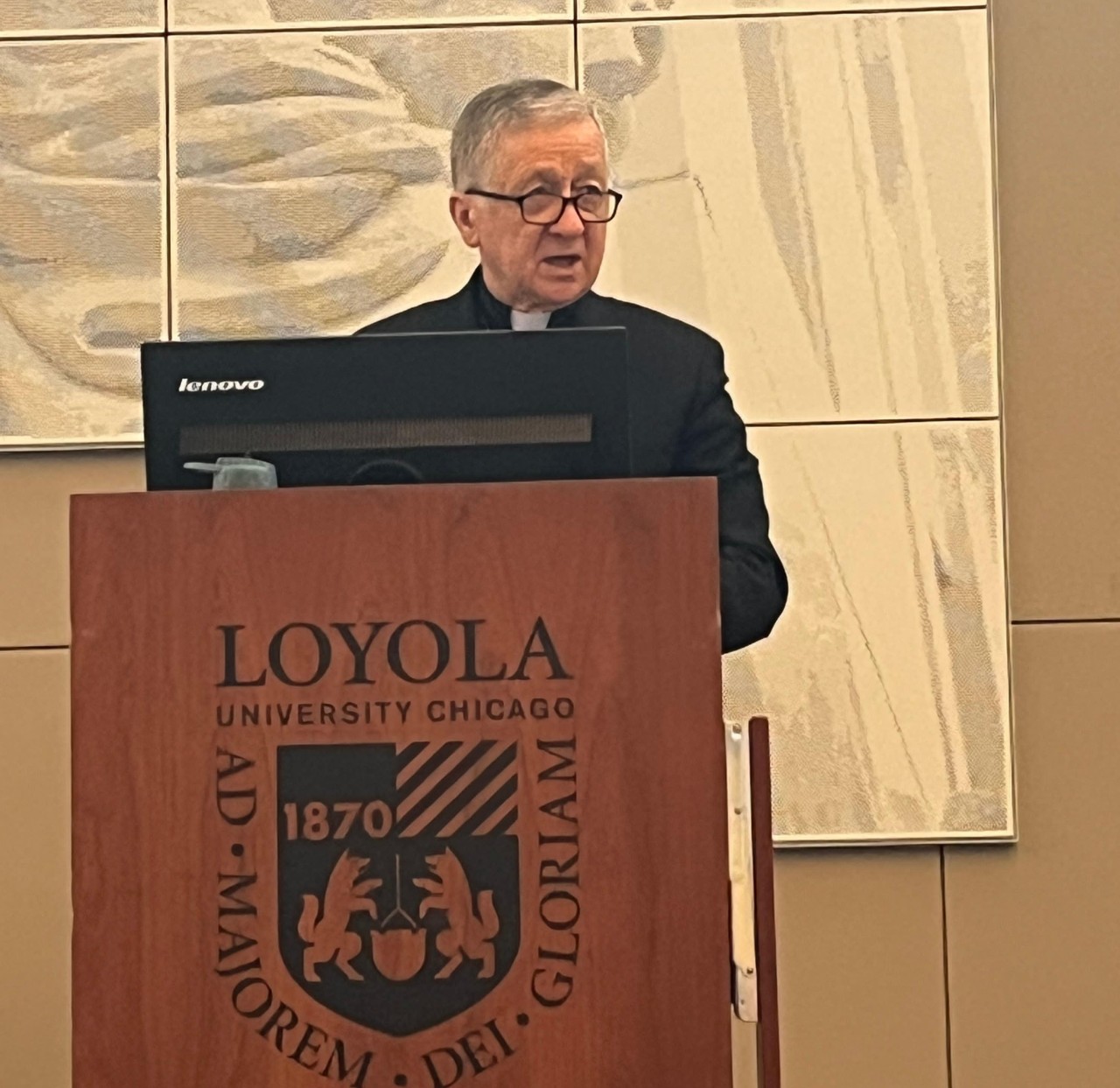
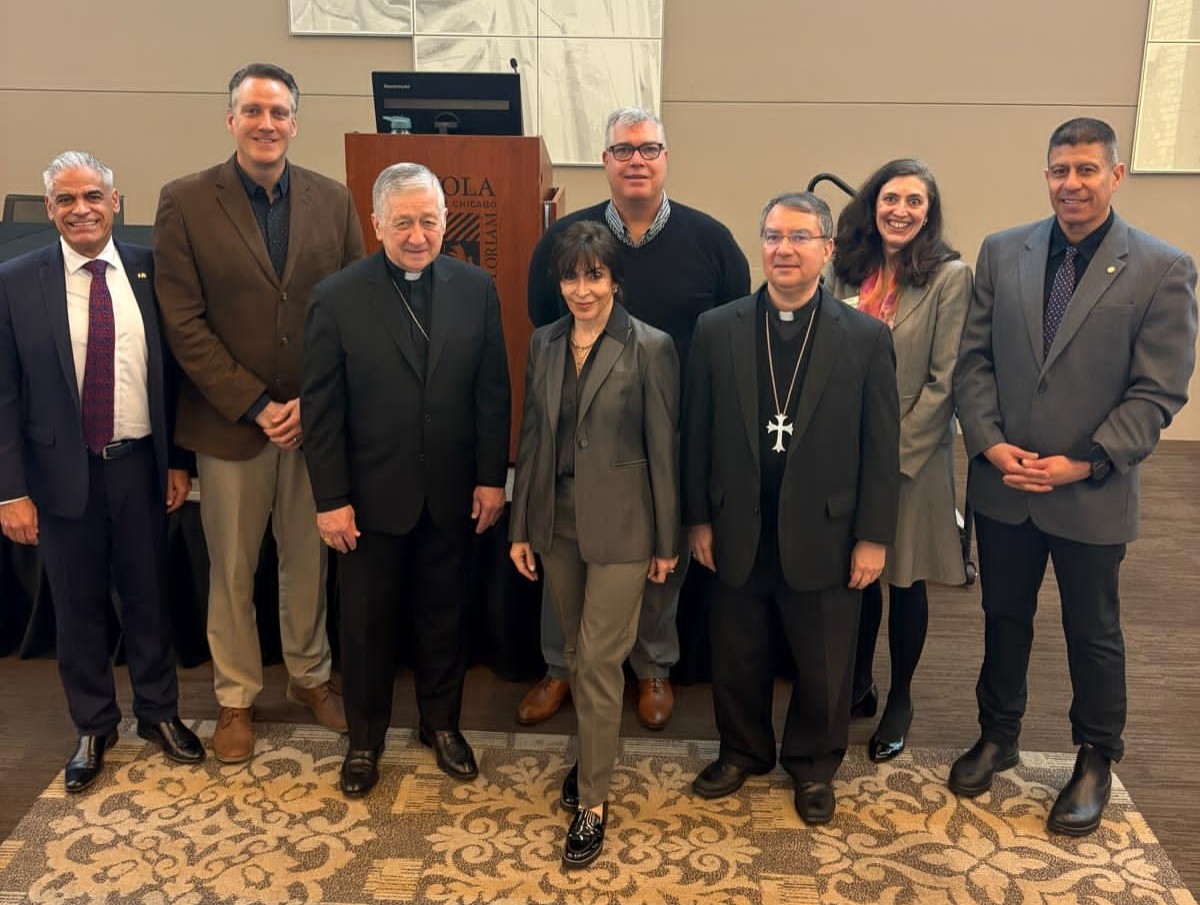
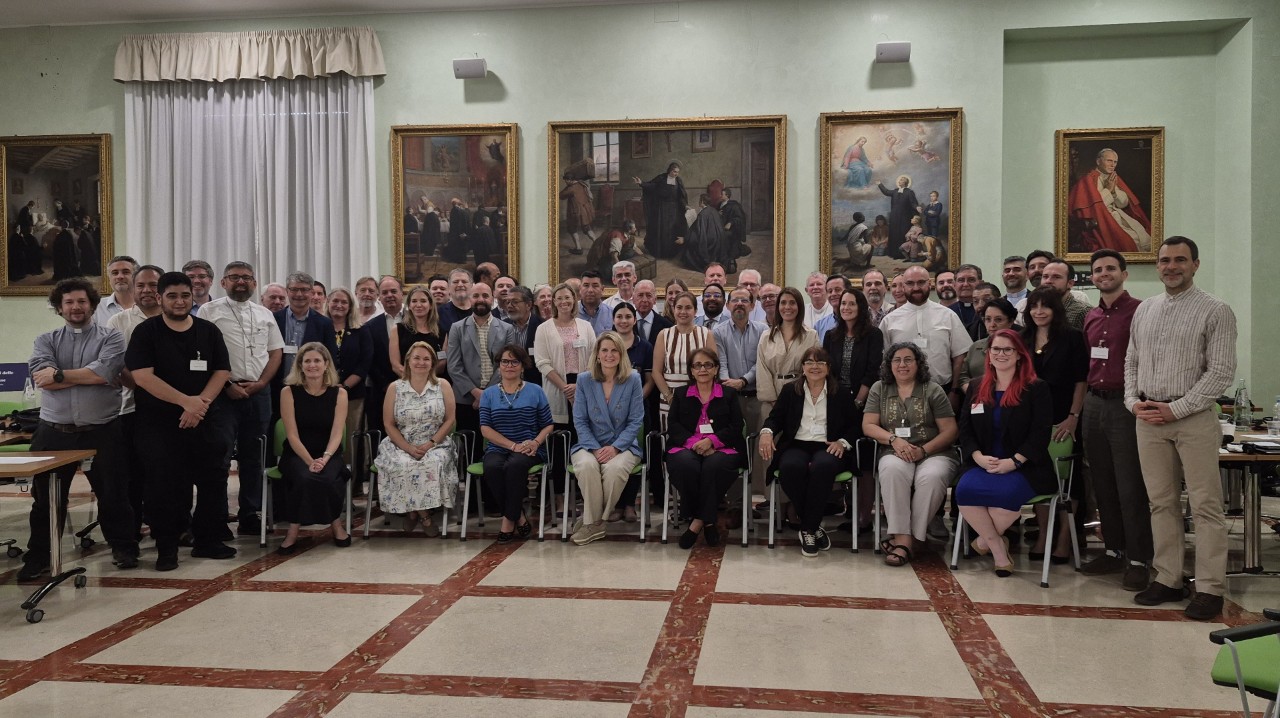
Chicago, March 7, 2026 — With a message from Pope Leo XIV and the participation of a large group of students, faculty members, and specialists from different countries across the continent, the International Encounter for Peace and Reconciliation was held at Loyola University Chicago, an international academic gathering aimed at strengthening commitment and action for peace and reconciliation.
The event took place at the university’s Lake Shore Campus, where interdisciplinary dialogue sessions were held to identify contemporary challenges and formulate proposals to strengthen peace and reconciliation. The initiative will continue to be replicated in different regions of the world.
The activity was jointly organized by the Pontifical Commission for Latin America (PCAL) and Loyola University Chicago, and represented the second stage of the Building Bridges Initiative, a dialogue process that seeks to promote collaboration among the Church, universities, and various social actors across the continent.
Participants worked on five thematic areas: Peace and the Church; Peace, Law, and Migration; Peace and Economy; Culture and Art that Inspire Peace; and Peace, Truth, and Justice in the Age of Artificial Intelligence. Based on these exchanges, proposals and initiatives were presented to promote a culture of peace in academic and cultural spaces.
Pope Leo XIV sent a message encouraging those present to continue promoting spaces of encounter, dialogue, and cooperation to contribute to the construction of lasting peace in a global context marked by conflict and violence.
The Holy Father emphasized that peace implies a permanent path of reconciliation with God, with others, and with creation, and highlighted the value of prayer as a transforming force. “True peace is not simply the absence of conflict, but a gift from God,” he affirmed.
During the encounter, several messages of support and reflection were also received from international ecclesial and academic authorities. Archbishop Filippo Iannone, Prefect of the Dicastery for Bishops and President of the Pontifical Commission for Latin America, encouraged participants to continue strengthening dialogue between universities and societies across the continent, emphasizing that “synodal dialogues will undoubtedly be a privileged moment to build bridges between the Americas and with the world,” with the hope that new generations will help open paths of reconciliation and peace.
Cardinal José Tolentino de Mendonça, Prefect of the Dicastery for Culture and Education, highlighted the importance of ethical discernment in the face of contemporary technological changes and recalled that “technology must remain an instrument: the dignity of the human person must continue to be at the center,” inviting everyone to safeguard the centrality of the human person in processes of cultural and technological innovation.
Nathalie Becquart, Undersecretary of the Secretariat of the Synod, emphasized the value of synodality as a path for building peace and encouraged participants to deepen a culture of listening and shared discernment. In her message, she stated that “synodality calls us to walk together as the People of God with all humanity and to commit ourselves to justice, human dignity, and the common good. We must not only dream of peace: we must commit ourselves to building it through processes of listening, dialogue, and reconciliation.”
Finally, Bishop Lizardo Estrada, Secretary General of the Latin American and Caribbean Episcopal Council (CELAM), sent a message highlighting the role of new generations in transforming the continent. He encouraged students to embrace their responsibility toward the peoples of Latin America and the Caribbean, affirming that “professional excellence is important, but it is not enough to know: it is necessary to know how to be. New generations are called to promote ethics, compassion, and to become leaders capable of building reconciliation and peace in their communities.”
The encounter was organized in collaboration with the Institute for Pastoral Studies, the Hank Center for the Catholic Intellectual Heritage, the Division of Mission Integration, and the Department of Theology of Loyola University Chicago, with the support of the Lilly Foundation (Haciendo Caminos Fellowship) and the participation of various international academic institutions.
The International Encounter for Peace and Reconciliation is part of a broader process promoted by the Building Bridges Initiative, which seeks to strengthen networks of collaboration among universities, the Church, and society in order to promote shared responses to the challenges of the Americas.
PRESS
Vatican News: El Papa: La oración cambia la historia, una era libre de guerra no es inalcanzable
Religión Digital: Éxito de participación en el Encuentro Internacional por la Paz y la Reconciliación en la Universidad de Loyola Chicago
Web: luc.edu/ccih
Trending topics
Related articles
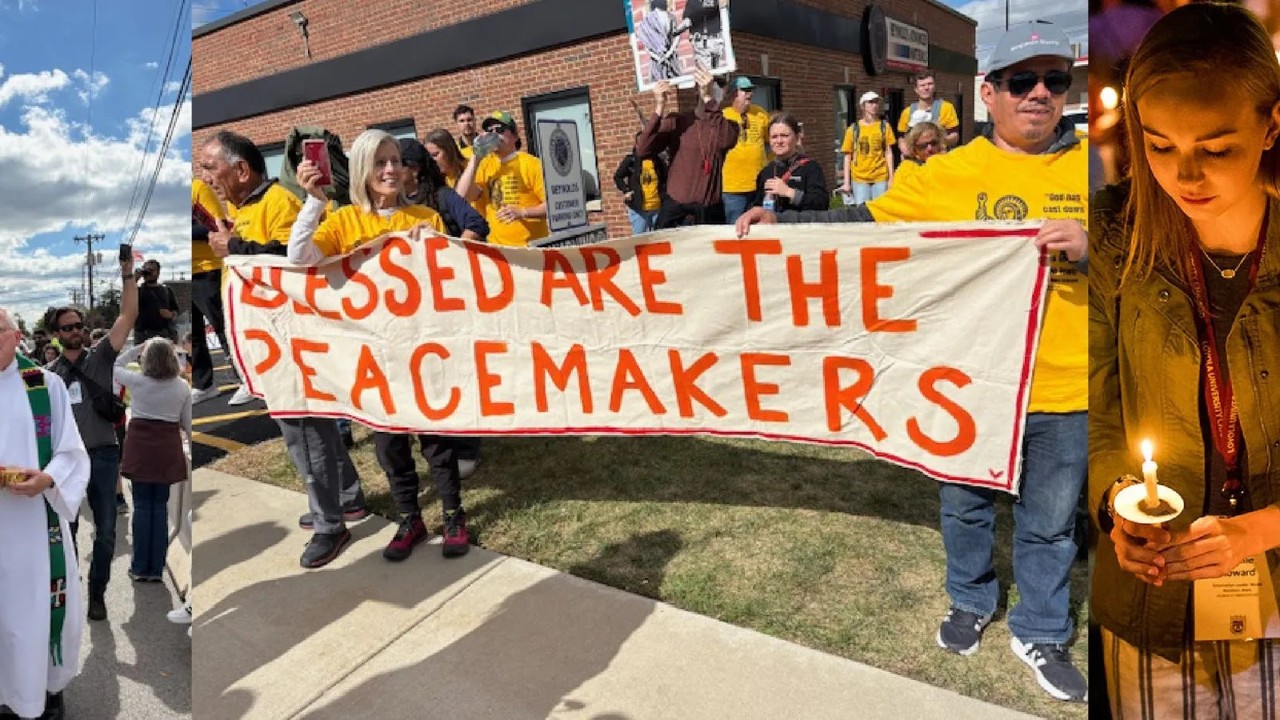
IV Synodal Meeting Fratelli Tutti Agrees on a North-South Shared Responsibility Agenda
After three days of work, the IV Synodal Meeting Fratelli Tutti: North-South Socio-Environmental Dialogue concluded in Rome with a concrete proposal: ...
HIGH-LEVEL NORTH-SOUTH MEETING BETWEEN POPE LEO XIV, ORGANIZED LABOR INSTITUTIONS AND INTERNATIONAL ORGANIZATIONS
Rome, September 2026. From September 10 to 12, Rome will host the IV Fratelli Tutti Synodal Meeting: North-South Socio-Environmental Dialogue, as part ...
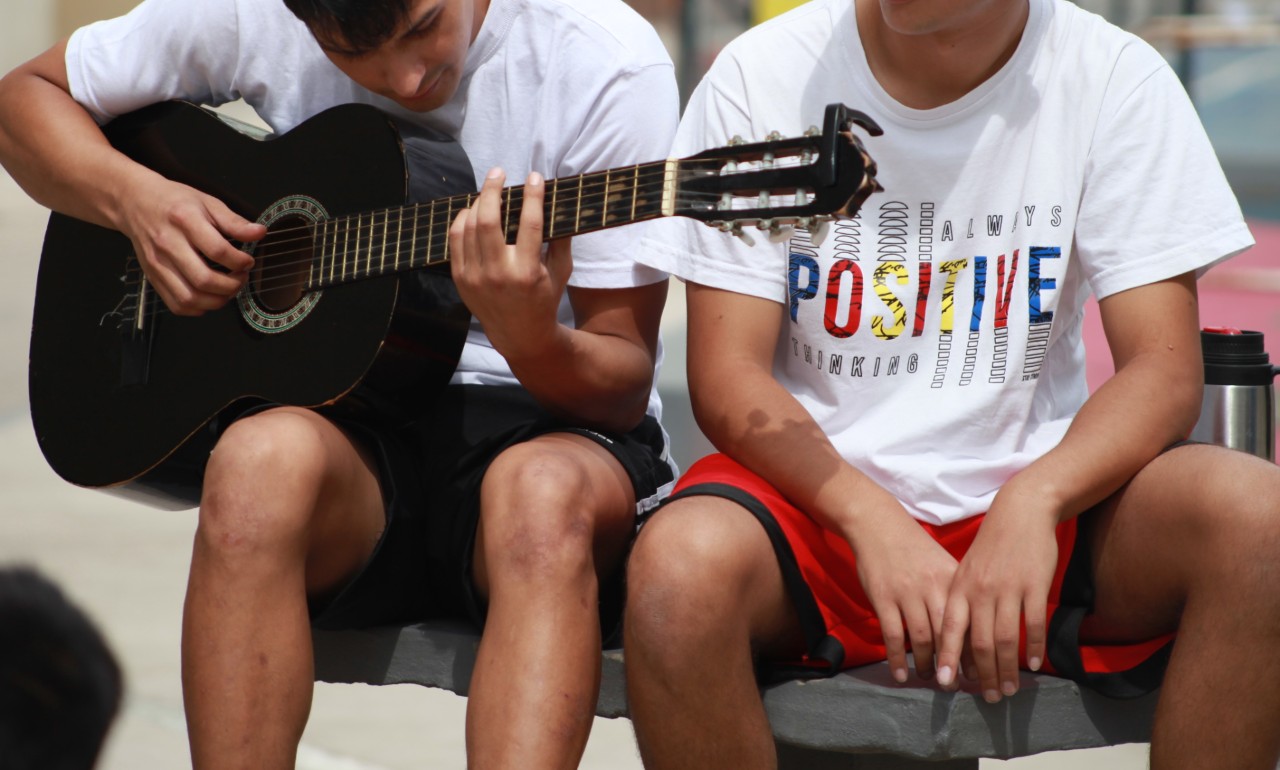
CELAM's Ibero-American Network for Popular Culture invites young artists from Latin America and the Caribbean to share stories of hope rooted in their communities
The Latin American and Caribbean Episcopal Council (CELAM), the Pontifical Commission for Latin America (PCAL), the Fe y Vida Institute, together with ...
The Holy See and the OEI will bring together Ibero-American ministers of education in Rome to discuss mental health, digital technologies, and education
On May 29 and 30, the Holy See will host the international meeting “Maps of Hope for a Regional Educational Agenda: Mental Health, Digital ...
Building Bridges and Organizing Hope: Tasks for a Common Future
Francis promoted a Church that goes forth, close to the peripheries and committed to building peace through encounters among universities, organized ...
International Encounter for Peace and Reconciliation: An Interdisciplinary Synodal Dialogue on the Dreams of the Present
March 6, 2026. Loyola University Chicago and the Pontifical Commission for Latin America (PCAL) will organize the International Encounter for Peace ...